
If you are not familiar with this idea, one of the discussions that comes up often in church circles is the role of the church (institutional term) in the times around us.
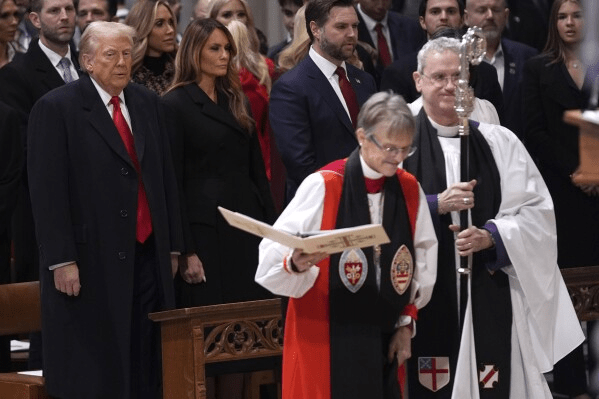
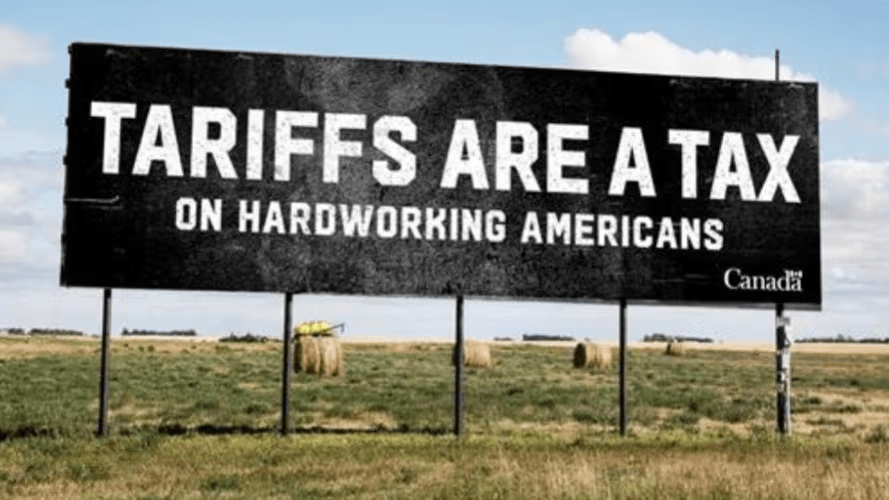
Part of the reason I do not speak to that conversation often is because I do believe the local church, in whatever form it takes, speaks into the larger community in which it is located. Ideally, of course. But, as the times would have it today, as chaos seems to rule the airwaves, there does need to be another voice added to the mix. And this would be where the term ‘prophetic voice’ comes into play, an actual forth-telling for the world around us. Part of my thinking on this is in response to a recent faith column in The Winnipeg Free Press, by John Longhurst, which you can read here (good read, thoughtfully written): Faith groups and Donald Trump’s tariffs in spotlight.
It is in political times like the ones we are in that I am reminded that ‘church’ is a complicated word. We looked at a couple of reasons already, but here is a few more to consider:
- The form. This is the philosophical view that the church exists even if we think it is destroyed. It is the view that it is some form of a supernatural entity that exists in some form no matter what is happening in the world.
- The people. As mentioned before, it is the people of Christ who are part of the universal church, whether they gather or not. The belief is what makes you part of the body of Christ.
- The institution. This is the structure that most people associate with the word church. A name, a place, a building, a set of policies, people who associate with the set structure, etc. etc.
There are definitions and descriptions between each of these, but for the sake of what I am talking about here, these will do. You can see how things can get complicated once we start talking about the ‘church’ and what it does or does not do in the world. Each ‘church’, each group, each format, has its own understanding of ‘church’. To take it one step further, everyone involved with said church may have a different understanding of what they represent in being part of the church. There is a whole spectrum of understanding and belief that comes with who speaks as the ‘church’ and, functionally speaking, who is the ‘church’. (You can read more on my thoughts on church in society in this post linked here, and then follow the breadcrumbs to other ones on the topic: https://leadfreely.ca/2024/04/19/is-the-church-a-great-good-place-in-the-community/)
To be clear, I am a political person. I am justice minded and like to mix things up from time to time, so it is impossible for me to say I am apolitical in nature. That said, I also believe the church, the universal body of believers who claim faith in Christ, is also deeply political. If, for instance, you believe or use the statement, “We should leave politics out of church!”, you would need to rethink what it means to proclaim Jesus as Lord, share communion with others who do the same, and then ask Jesus to change the world and use you in the process. That is political, but maybe not in the way you imagined the word when using it. You may mean you do not believe in a church becoming partisan, because then you are right, the church stands as a ‘kingdom within an empire’, and we are not into selling anyone’s brand.
If I preached only on the topics that relate to each statement of each political platform during an election, things would get a little warm in the room. Why? Because we would all have to discuss and discern how we will live out the words we read and claim through the scriptures. That gets uncomfortable.
When we proclaim Christ, even to ourselves quietly in our homes, we claim the kingdom of God existing, and share our place as ‘citizens of heaven’. (Philippians 3:20)
So what is a prophetic voice in this moment?
Well, it starts with the place Jesus started his public ministry in the book of Luke, by reading from the Isaiah scroll, in the spot we today call chapter 61. When we look at government, it sounds a bit like what Muhatma Gandhi is quoted as saying, “The true measure of any society can be found in how it treats its most vulnerable members.” Freedom in Luke 4 is not about the right to bear arms, free speech, or owning the economic world; it is about helping others find freedom and wholeness in the image of God. Jesus would later say something related about those he called, “the least of these”. A prophetic voice would call those who are doing the reverse of these things to hearken and understand.
Biblically and historically, prophets do not tend to get treated very well. Soothsayers and sympathisers usually get a pretty comfortable place to rest their heads at night. And that causes issues with people who land further on the end of the spectrum of ‘church as social gathering’ as opposed to those who see it as a place of other-worldly conviction.
I mentioned in a past post the idea of the church being relevant within its own category as a community of ‘priests’ (What is your gospel?). When we look at the challenges Jesus gave his followers from the beginning of his recorded time on earth it would somehow place us in the ‘prophetic’ camp as well. I would add that in true Jesus fashion we are also an open community, giving others the opportunity to walk with and possibly join in. All 3 of these aspects of our existence can feel complicated and scary, and that is why many simply choose to “not talk politics”, even if we see the community around us hurting.
As much as I stir things up and get political, I also hold unabashedly to being idealistic. All lived faith in some way is idealistic. We live within incomplete scenarios, and seek healing amidst brokenness. So, what do these things look like in a perfect state of faith?
- We create a place of peace in our worship that centres on the love of God.
- We love into our neighbourhoods in a way that shares how much God cares for the people in his image.
- We care more about our neighbour than we do about getting them into a building or to attend whatever show we are putting on.
Over simplified? Maybe. Idealistic? Definitely. But a good place to start and great items to discuss and evaluate all other motives.
The reality is when you have a broad set of definitions for the church, and those definitions tend to be fluid because of new understanding and change in context, leadership and expectations of the group change. We have denominations, we have synods, we have regional offices, all of which are in place to provide some form of harmony and continuity to the local gatherings or sacred spots. It becomes political in its own right because all the voices desire to be heard and any time you form an institution, you develop policy to house the workings of the institution. Those can be difficult roles and I do not speak lightly about the people that have to help bring peace to the group while advocating to those on the outside looking in.
I definitely am not one who advocates for statements or brand advertisements in the faith community. I still do it from time to time, especially if I am part of a community event, but I struggle with conviction on it regularly. When I see religious leaders stand next to government officials for a press release, I cringe. (Consider for a moment where the bishop is placed on a chess board and ‘his’ ability to move with ease all over the board) I also know what a statement can mean to the person who is the ‘least of these’ in our community, to my LGBTQIA+ family members, to those struggling outside the social norm, or even the one who has not felt accepted in a long time and just wants to break free from the epidemic of loneliness. In tension, I know that we need to speak into matters that impact the world around us to the best of our ability.
As with everything in faith and life, I offer very few easy answers. I try to stick with responses that cause us to live into the tension of what is important to us. It has been quoted many times and in many ways, but I continually go back to the question of whether or not I am a christian: Go ask my neighbour. In the same way, churches that live out their faith in the surrounding community are noticed, and their statement is often heard.
What do we do at a national or even international level? Good question…
Discover more from Eric Friesen
Subscribe to get the latest posts sent to your email.

