
Did you notice a change I made in 2026? It seems like I always have a few small changes afoot, so for many it probably did not seem like too big a deal.
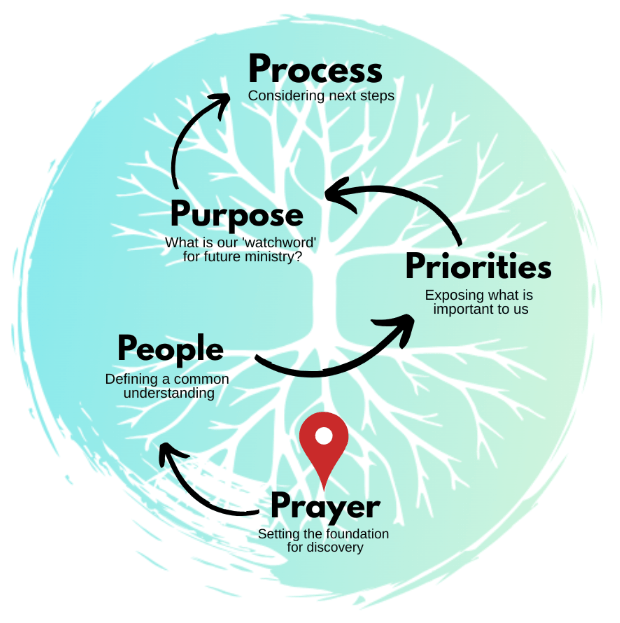
If you follow my transitional leadership material then it will be a little more prominent. With the release of my short form transitional process I now use the word ‘priorities’ in place of the more common ‘values’. Yes, I have spoken of priorities in the past, especially regarding times of crisis, and yes, my material on values is still available and a very relevant part of the discussion. Over the past year it became clearer to me that the perspective needed to change for different groups and the amount of time I had to unpack things in their context. I also found as I reflected on the material I had been developing over the years that I did not differentiate between values and priorities enough, and I needed to.
So what is the difference?
If I were to distil most of my thoughts on values, including what you find in the Live on Purpose worksheets, there are a few functional items that come to mind. Every group and organisation has a set of values, whether they acknowledge them or not.
So, my basic way to identity values would be they are:
- Innate. They are within the group and show up in most activities. Whether they were shaped into being or whether they were handed down remains to be discovered, but they are present.
- Actual. This means anyone who observes your group in action will be able to see what your values are. Often within the timeline or ‘walk to remember’ excercise groups can identify what makes up the heart of their existence.
- Aspirational. Groups tend to hold certain things as important items to focus on as they go forward. These are abstract pieces that shape the meaning behind their doing. When working with a group I tend to force them to recognize the difference between this and the ‘actual’ in what they do and what they communicate.
- Clear. Especially in times of crisis and transition things can easily become ‘fuzzy’ or convoluted, which means we struggle and freeze in understanding what we mean to do. Values that are true to the group are clear focal points and pillars within all that we do.
- Long-term. They play a role in the longer history of the group. They do not change quickly or frequently.
So, what is different about ‘priorities’? And why acknowledge them in place of values? Well, priorities will normally acknowledge the values as we begin to decipher the needs of the group in this moment.
Priorities are important and could be defined as:
- A reflection of your values. They are items that bring the focus back on what you value.
- A reflection of where you are. Values speak to what the group is about, but priorities speak to where you are right now. What is different about the story? What choices need to be made for the next chapter?
- A reflection of resources. It moves the conversation from ‘nostalgia’ planning or ‘what we used to be’ to who you are right now. That means taking an honest look at what you have in hand today, and then looking ahead.
- Sharpening the focus. In moments of panic we forget to breathe. The same is true of organisations. Spending time clarifying our priorities can be a reminder of values and how to get back to them before we take the next step.
- Short-term. Quite simply, I ask groups to dream about where they hope to be in a year. Nostalgia and gloom thinking can turn into clouded vision, so we pause and remember how to dream, try things, get back to our basics…
Priorities bring attention to what we can do, what we need, what we hope for, in the present moment.
Values and priorities can play well together. When I consider the need to seek clarity in my mental health, priorities were part of my healing. I could articulate what I considered my values to just about anyone, but they did not translate to how I was living life, especially when battling burnout. Being pulled out of the crisis moment to learn to breathe again and specifically name my priorities in the now became a reset for thought patterns, which in turn took me out of crisis mode. Focusing on current priorities can get us out of the loop we somehow got ourselves in, which means we can get back to discovering the path we hope to be on. You might go so far as to say that revisiting priorities can help us move from crisis to clarity.
So, can you name your current priorities? Are they clear? Here’s a few other items on the subject that you may have already encountered, but now you don’t have to search: (Just click on the titles to get to the page)
Discover more from Eric Friesen
Subscribe to get the latest posts sent to your email.

