
So, is work good? Work can kill us, especially if we let it.
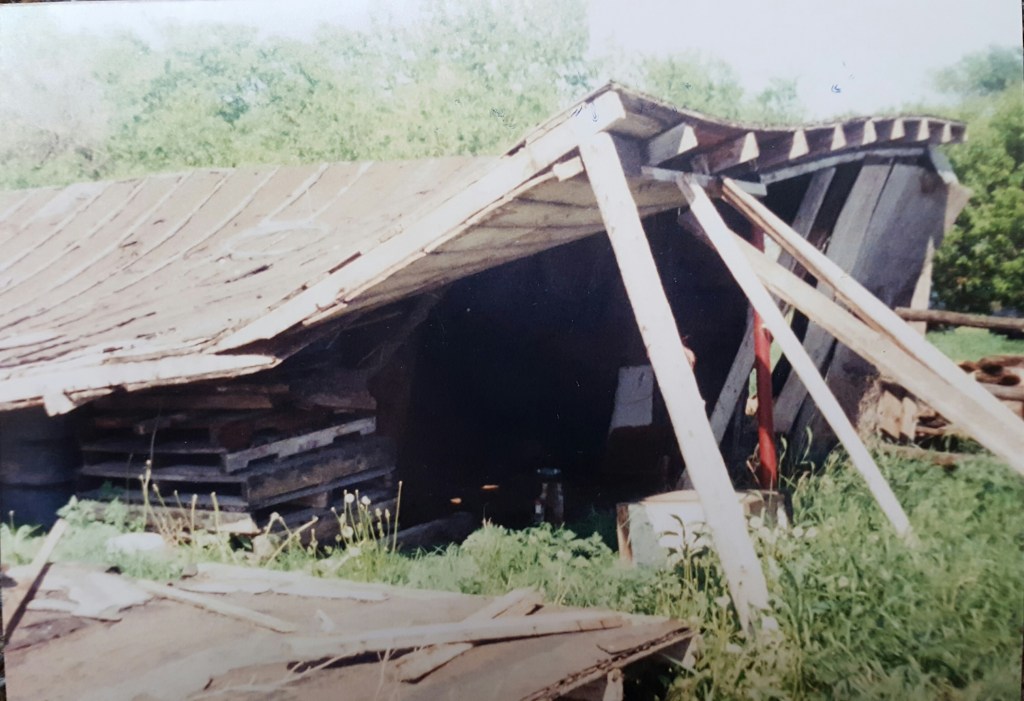
I recently encountered a toxic workplace that stood out to me because it involved people I care about. It is not the job any of them want forever which means it pays the bills for now. But it does not feed the soul, and if a person is not careful, that can feel like a very slow death. Once we let it become a death sequence it is very hard not to let it effect our relationships and all the other parts of life. That is what was happening here; they were tired, and everything that happened at work became pervasive, and they could no longer hide how they felt. No purpose, no joy, no care.
In an age of the doom forecasts surrounding AI in the workforce and people wrestling with the idea of eventually retiring there are many new conversations about the value of work. As you have seen through my posts I have advocated for work being an important part of our wholeness as people. We don’t always call it work, but we all strive for a meaningful activity that contributes to our identity and how we impact the world around us.
People who are dormant tend to busy themselves with activities that feed part of the brain and the heart, even if it is not ‘work’. In the Psalms we find comparative language between ‘worship’ and ‘service’, almost interchangeable in some places. It gives new meaning to the idea of people worshipping beyond a religious exercise as it leans into all activities being an act of worship to the Creator. For those familiar with the sayings of Martin Luther during the Reformation you will recall the adage attributed to him regarding vocation:
“The Christian shoemaker does his duty not by putting little crosses on the shoes, but by making good shoes, because God is interested in good craftsmanship.”
I speak extensively about the idea of having a healthy approach to your work and also to seek meaning in what you do. It is an expression of how we view the world and our part in it. You can see a short breakdown of my understanding of 3 cores of work attitude (Purpose – Joy – Care) at the bottom of my ‘About’ page or click here: About Eric.

One of my the most memorable tours I have ever taken involved a number of challenging views on work within a closed community. I was part of a college class tour of a local Hutterite colony, seeing everything from daily routines, specialized skills, to how various members of the community were treated at different stages of life. The most notable was when someone asked about ‘retirement’. The elder giving the tour laughed and simply said, “There is no such thing as retirement on the colony!” He explained how everyone works here, but the amount and expectations change with age and ability. This included those with a disability. We witnessed an elderly fellow come out to the shop to work on some toys for a few hours and then make his way back to the house for a nap. It was all about being a meaningful and purposeful part of the community.
But there is the other side of the coin: The crappy job. What do we do with that?
I contend that everyone should have at least one bad job in their lifetime if for no other reason than to gain perspective and shape character. There are skills that come out of some pretty crumby situations that make us better people and teach us to adapt in ways a dream job never will. When I worked with youth and young adults we were entering a new era of how people viewed their entry into the workforce: No one wanted a ‘job-job’. I pushed back during one of our evenings at a local diner and said everyone should have to work at a place like this for at least a stint as they find their way to what they really want to do in life. (I said this acknowledging that there were a bunch of wonderful people working there that loved their jobs and had been there since they were young.) Some people got it, others were confused by what I meant.
This was my simple rundown of what a crappy job teaches us:
- Patience. You don’t get what you want right now. Welcome to life.
- Working with people who don’t care what you think. It is usually not a collaborative project.
- Mastering skills that you can’t imagine ever using again.
- How to get along with people you wouldn’t hang out with normally.
- Prove to yourself that you can work just about any job and not let it define you.
- To compartmentalize. Not everything is you, not everything needs to be in your everything.
- Character comes with you to work, and you may be learning some new things about your character.
When I consider my list of jobs of the past I have no shortage of stories about my many hits and misses along the way. Even when I was in my ‘dream job’ I remember missing the mark often. One of the most coveted jobs for a young man in my neck of the woods was stocking shelves and cleaning at the local general store. Once I had it I realized I was not very good at it, and showed the boss how little I liked it. That was a learning experience. Then another job provided another learning experience. Getting fired by simply not being put back on the schedule was a new one for me, and it helped me understand something about myself.
Work shapes and shows who we are, from volunteering at church, to filling shifts between classes when we are already tired, to being in a dream job and it isn’t quite what we dreamt.
So, what have you learned from your past crumby experiences? Go ahead and share in the comments for the rest of us!
Discover more from Eric Friesen
Subscribe to get the latest posts sent to your email.

